You Built the Brand. Now What? A Strategic Guide to SEO, PPC, and Paid Ads for B2B Growth

This is the moment no one really talks about.
You’ve done the work.
You invested in your brand.
Your website is live.
Everything finally looks the way it should.
Then the inevitable question hits.
Now what do I actually spend money on.
This is where a lot of businesses start lighting budget on fire. Not because digital marketing does not work, but because most people jump straight into tactics without any strategy behind them.
And here is the truth most agencies will not say out loud.
B2C tactics do not automatically work for B2B. In many cases, they are a waste of money.
Here is where we suggest you start if you want your spend to actually turn into leads and not just noise.
1. If You Are a Local Business, Local SEO Comes First
If your clients live near you, local search matters more than almost anything else.
You want to be in the Google Map Pack. That top section that shows three businesses, reviews, and directions. That is where real buying decisions happen.
To compete there, you need:
A fully built and accurate Google Business Profile
Consistent name, address, and phone number across every listing
Active reviews, not just old ones
Correct categories and service descriptions
Your website also has to be searchable and usable. That means:
Proper page titles and descriptions
Clear page structure
Image alt text
Fast mobile load speeds
ADA-friendly color contrast and readable typography
Search engines favor websites that serve real people well. If your site is cluttered, slow, or inaccessible, Google will quietly move on. So will your future client.
If local search matters to your revenue, work with an SEO team that specializes in local. It is a different game than national SEO.

2. PPC Ads. Three Campaigns. Not One.
This is where we see the most money wasted.
You should never throw all your PPC traffic into one general campaign. That is how you end up paying for the wrong clicks.
Here is how we structure it.
Campaign One: Your Brand Name
This captures people who are already searching for you. It protects your brand from competitors bidding on your name. This should be a small, efficient budget because the intent is already there.
Campaign Two: Specific Service Searches
These are the exact phrases someone uses when they know what they need and are actively looking for help.
Broad search is where budget goes to die.
Broad keywords generate impressions.
Impressions do not generate revenue.
A real example. We once ran ads for restaurant branding using broad match. Google decided the most important word was “restaurant.” Our ads showed up for “restaurants near me.” People looking for a dinner reservation. Not a brand agency. Hundreds of useless clicks gone in a flash.
Be specific. Stay specific. And do not blindly accept every recommendation Google pushes. They are built for reach. You are built for results.
There are only two numbers that matter in PPC:
Conversions
Conversion rate
Everything else is background noise.
Optional Campaign Three: Competitors
This is not for every brand, but when it makes sense, it can work extremely well. You bid on competitor names and offer a clear alternative. These clicks tend to cost more, but the intent is strong because the buyer is actively comparing options.
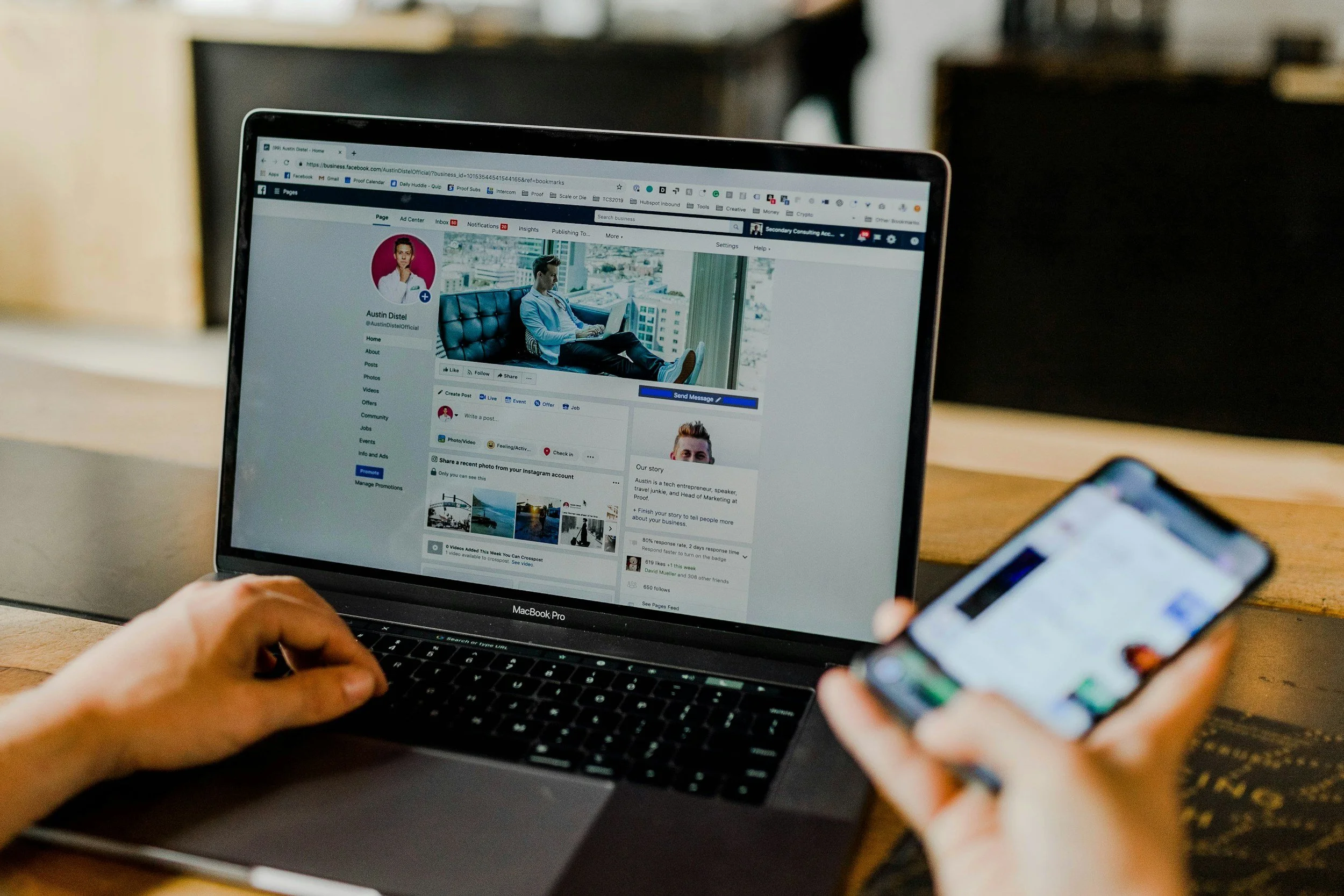
3. Meta Ads. This Is Where Your Brand Gets to Speak
Meta is not about demand capture. It is about demand creation.
People are not searching for you when your ad appears. That means your creative has to do more work. Your message has to be clearer. Your targeting has to be sharper.
You do not want mass exposure. You want the right exposure.
Your targeting should be intentional:
Location
Industry
Job title or role
Buying behaviors
Lookalikes of your best clients
Your creative should answer one thing:
What does your audience actually need right now
Not what you want from them. What they need.
Always run a mix of static and animated ads. Build every size so Meta can place your content wherever it performs best. Then let the platform optimize from there.
4. Optional. TikTok Ads
If you already have strong video or animated creative working on Meta, TikTok is worth testing.
Organic TikTok is hard to crack. Paid ads, on the other hand, can perform extremely well with the right creative.
The algorithm is sharp. It finds your audience quickly. Start with a small budget. Test. Scale what works.
The Biggest Shift Most Businesses Need to Make
Stop paying for attention.
Start paying for intent.
You are not trying to be everywhere.
You are trying to be chosen.
The goal is not impressions.
The goal is qualified conversations.
When your spend is built around how people actually search, choose, and decide, your brand stops feeling like an expense and starts acting like a growth engine.
Ready to Take the Next Step?
You do not need more noise. You need a plan that works.
If you are ready for that, we are ready for you.