Branding in the Age of AI
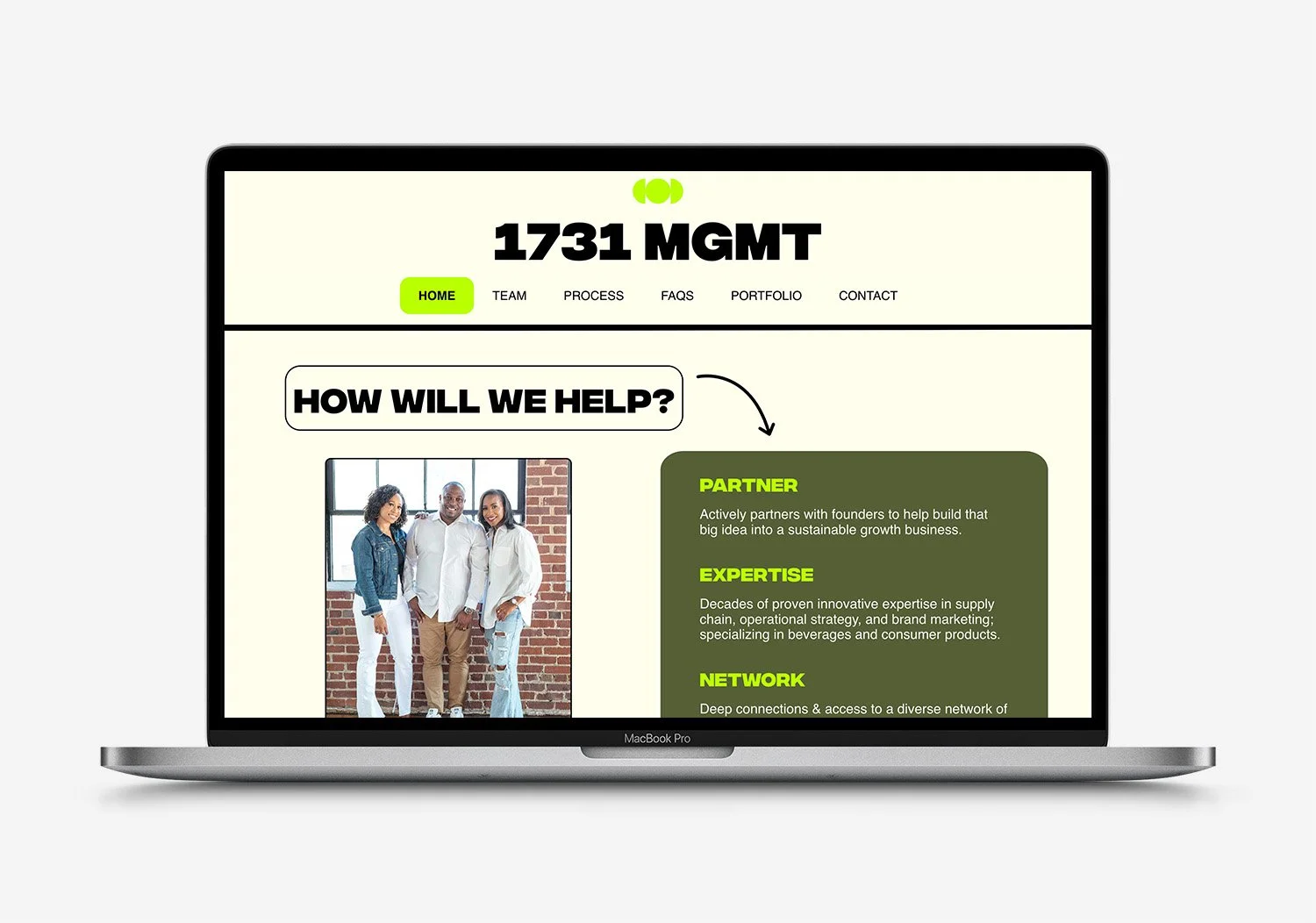
Treebird Client: 1731 MGMT, no AI-used to generate this brand
How to use artificial intelligence without losing brand identity
AI is now part of the branding conversation whether brands like it or not. Businesses are searching for how to use AI in branding, how AI affects brand voice, and how to stay authentic when automation is everywhere.
The problem is not the technology. The problem is how it is being used.
Many brands are relying on AI tools to generate brand messaging, visual ideas, and content without first defining who they are. When that happens, branding becomes generic. It may be polished, but it is interchangeable.
Search engines and AI platforms reward clarity, consistency, and specificity. Brands that rely on vague language and templated thinking are already harder to surface in search results and AI-generated answers.
Where brands go wrong with AI and branding
AI is trained on existing material. When brands use it to define their identity, they are borrowing from the past instead of building something distinct.
Common mistakes include:
Using AI to write brand positioning without strategy
Allowing AI-generated copy to define tone of voice
Relying on prompts instead of customer insight
Producing high volumes of content with no brand system
This leads to messaging that sounds professional but says very little. It also makes it harder for search engines and AI models to understand what your brand actually stands for.
How to use AI tools the right way in branding
AI works best as a support system, not a decision-maker.
Effective uses of AI in brand strategy include:
Analyzing customer reviews, feedback, and research
Identifying patterns in competitor messaging
Speeding up content drafts that are later refined by humans
Supporting SEO optimization after brand language is defined
Strong brands set their positioning, brand voice, and visual identity first. AI then helps execute consistently across platforms.
Why human-led branding still matters
Search engines, social platforms, and AI assistants prioritize brands that are easy to categorize and easy to trust. That requires a clear value proposition, defined messaging, and visual consistency.
AI cannot decide:
What your brand believes
Who your best-fit customers are
What makes you meaningfully different
Those decisions come from listening, strategy, and experience.
AI can help you move faster. It cannot replace brand thinking.