Visual Identity Trends for 2026
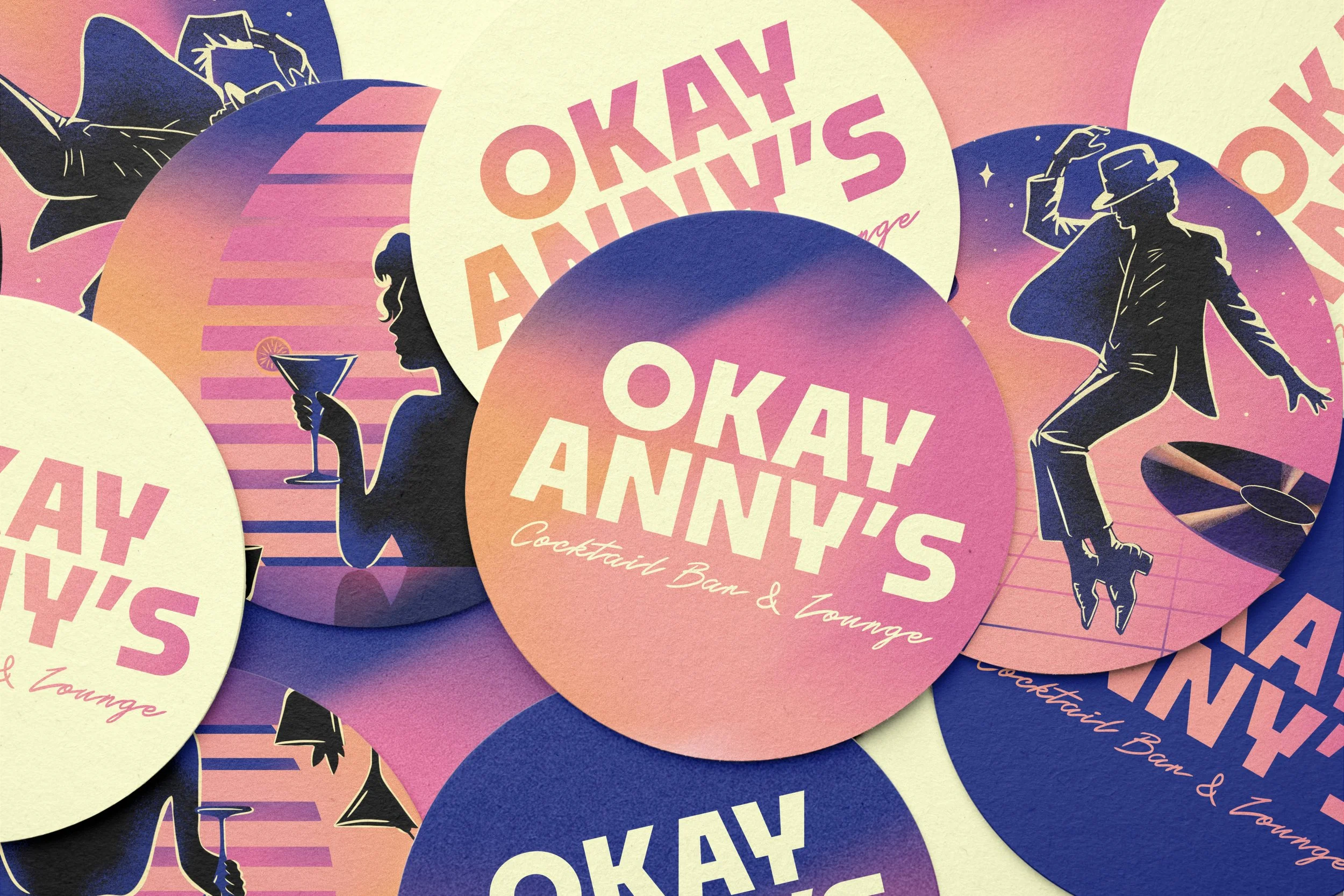
Treebird Branding Client: OKay Anny’s, Branding
How modern brands are designing for clarity, flexibility, and growth
Searches for branding trends and visual identity trends continue to rise, but following trends without strategy often leads to short-lived results.
In 2026, strong brands are not chasing novelty. They are building systems that work across platforms, formats, and growth stages.
Flexible visual identity systems
Modern branding is less about a single logo and more about a complete visual system.
Strong visual identity systems include:
Logos that scale and adapt
Secondary marks and icons
Defined layout rules
Consistent color and contrast usage
Assets designed for digital, social, and physical environments
If a logo only works in one context, the identity is incomplete.
Typography as a core brand asset
Typography is playing a larger role in brand recognition and usability.
Brands are prioritizing:
Legibility across screens and environments
Type systems that support motion and digital use
Consistent hierarchy for clarity and navigation
Typography choices directly affect accessibility, user experience, and brand perception.
Texture, contrast, and human detail
Minimalism is evolving. Brands are reintroducing texture, layering, and contrast while maintaining discipline.
This shows up through:
Illustration and custom graphics
Mixed media elements
Purposeful imperfection
Thoughtful use of photography and motion
The goal is distinction, not decoration.
Evolution over reinvention
Many established brands are choosing subtle updates instead of full redesigns.
Incremental changes protect brand equity while improving relevance. This approach supports long-term recognition and search visibility.
The practical takeaway
The right question is not whether a design trend is popular.
The right question is whether your visual identity:
Is recognizable
Is usable across platforms
Supports consistency and growth
Trends shift. Strong brand systems hold.